Call Us
  Location
 .png) Book Now
Book Now in Dallas, TX

Gracefully Enhanced
The face can look tired before it looks old. A little hollowing under the eyes. A little flattening through the cheeks. A little more heaviness around the mouth. These shifts are subtle, but they can change the whole expression of the face. That is where dermal fillers can help. These non-surgical injectable treatments are used to restore volume, soften facial creases, and refine facial contours in a way that still looks like your face. The goal is to replace lost volume, support the face where it has thinned, and create natural-looking results that fit your own facial anatomy.
1 of 4
Plump, Smooth, and Rejuvenate
Dermal fillers are injectable gels placed into or beneath the skin to restore volume, soften folds and wrinkles, and enhance facial contours in areas such as the lips, cheeks, chin, jawline, and under-eyes. Most facial fillers used today are hyaluronic acid fillers. Hyaluronic acid is a substance the body already contains, which is one reason it remains one of the most popular ingredients in modern dermal filler products. These soft tissue fillers work by adding support beneath the skin and helping the face look fuller, smoother, and better balanced.

Precision and Personalization
Good dermal filler work starts with choosing the right product for the right part of the face. Some areas need softness and flexibility. Others need more structure. Others need a very careful amount of support placed at the right depth.
At Skin Damsel Aesthetics, treatment includes a curated range of hyaluronic acid fillers from the Restylane and Juvéderm families.
The Restylane line includes several injectable gels used to restore support, soften lines, and refine facial structure.
The Juvéderm collection includes hyaluronic acid fillers used to soften folds, build support, and refine shape.
There are many popular dermal fillers, but not every product belongs in every part of the face. Lips need something different from cheeks. Under-eyes need something different from the jawline. Product choice is part of the result.
.png)
The Art of Facial Harmony
Dermal fillers treat the parts of the face that have lost support, shape, or fullness. They work especially well when the concern is volume loss, hollowness, or a contour that has softened over time.
Dermal Fillers can help with:
Fillers do not solve every concern. They are not Botox for frown lines or crow’s feet. They are not laser treatments for texture. They are best when the face needs support.
Where Volume Helps Most
Common areas of the face treated with filler include:
Some fillers can also be used on the hands or other parts of the body, though facial treatment is still the most common. The exact treatment area depends on the patient’s anatomy, the pattern of facial aging, and what kind of change would look most natural.
The Support Beneath
Fillers work by being injected beneath the skin in carefully chosen areas to replace lost volume, improve support, and refine contour. In practical terms, they help fill shallow contours, soften facial creases, and give better structure to parts of the face that have flattened over time.
Hyaluronic acid fillers also attract water, which is one reason they can make the skin look smoother and more hydrated while still adding shape. Different filler formulations are made for different jobs. Some are softer and more flexible. Some are firmer and better at building support. Injection technique, product choice, and placement depth are all tailored to the cosmetic goal.
Volume vs. Structure
This distinction matters.
A syringe used in the lips is not doing the same job as one placed along the jawline. Good dermal filler respects the difference.

Your Radiance Renaissance
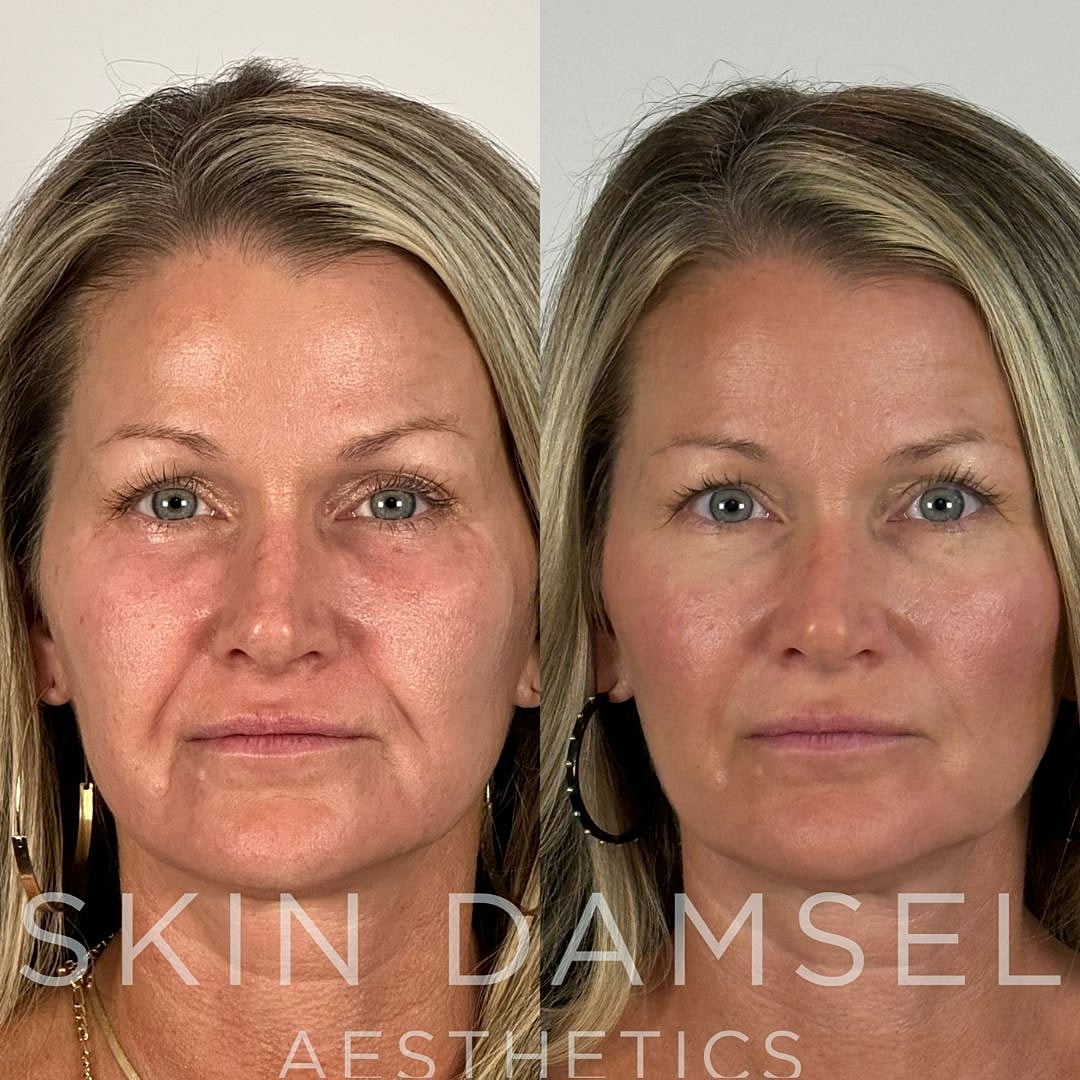
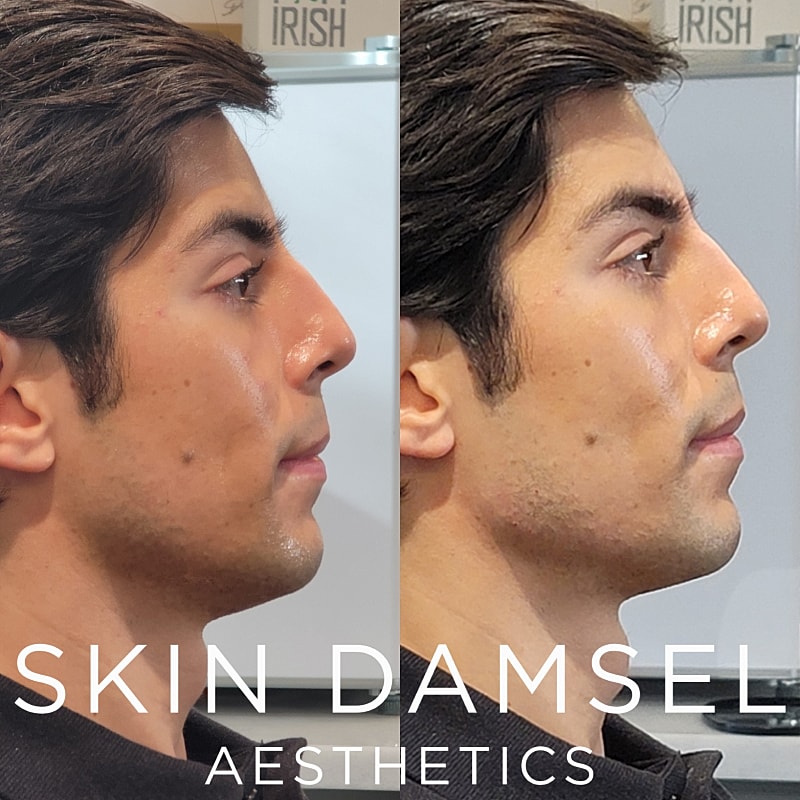
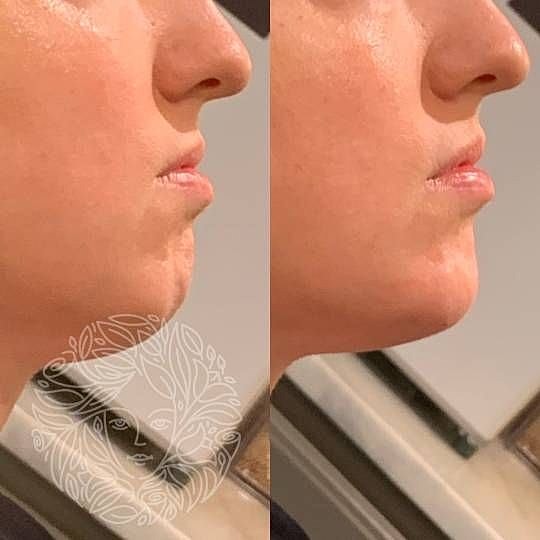
A good dermal filler result can change the face in a subtle but very satisfying way. The face looks better supported. The shadows soften. The overall appearance feels fresher without looking exaggerated.
Dermal Filler benefits may include:
The best filler result should not look obvious. It should look like the face makes sense again.
Is This Your Fit?
An ideal dermal filler candidate usually has hollowness, flattening, deeper folds, or loss of definition that would improve with more support. Fillers can also make sense for patients who want a visible change without surgery and without a long recovery.
You may be a good dermal filler candidate if you:
Fillers may not be the right fit if you:
Your medical history matters too. That includes prior fillers, allergies, medications, and whether you take blood thinners.

Prep, Kept Simple
Preparation is simple, but it helps.
An initial dermal filler consultation matters here. Filler planning starts before the syringe is opened.
Luxurious Comfort
A filler appointment should start with a real facial assessment. The face is reviewed for shape, proportion, support, and asymmetry. Then comes the plan: what needs lift, what needs softness, what needs structure, and what should be left alone.
After that, the skin is cleansed, and a local anesthetic or topical numbing agent may be used. Some fillers also contain lidocaine. The product is then placed into carefully chosen injection sites with a needle or cannula. Most appointments take less than an hour.
Most Dallas dermal filler patients describe the feeling of getting filler as pressure, pinching, and brief stinging. Lips usually feel sharper than cheeks or the jawline. For most patients, the discomfort is manageable. An ice pack afterward can help minimize swelling.
This is where filler either looks refined or obvious. Unintentional injection into blood vessels can cause serious complications, which is one reason training, anatomy knowledge, and product selection matter so much. Understanding facial anatomy is not optional with filler. It is essential. The same goes for knowing where not to treat.
Instant Elegance
Recovery is usually easy, but it is not invisible. Following injections with dermal filler Dallas patients may notice:
Temporary side effects like swelling and bruising can last days to weeks, though mild swelling often starts settling within 24 to 36 hours.

Most Dallas dermal filler patients can resume daily activities within 4 to 24 hours. Lips and under-eyes can swell more, so timing matters if you have somewhere to be.
To help minimize swelling, it usually helps to:
Swelling is normal. Bruising is normal. A little unevenness while filler settles can also be normal. Lips can look bigger before they look balanced. The face should be judged after it settles, not immediately after treatment.
Confidence Worth Celebrating
Results from dermal fillers are often visible immediately after injection. That is part of the appeal. The final polish takes longer because swelling can temporarily change the look.
A practical timeline looks like this:
Longevity depends on the product and the treatment area. Hyaluronic acid fillers last from 6 to 18 months in many cases. Lips usually wear faster than nasolabial folds because they move more. Some fillers last longer. Poly-L-lactic acid can last more than two years. Fat injections can last for years. In broader terms, dermal fillers vary in longevity from 6 months to 5 years based on the type used.
This depends on the area, your anatomy, and the goal. One syringe in the lips can be meaningful. One syringe in the cheeks or jawline can be subtle. Structure usually takes more product than people expect, especially when treating multiple areas.
The right number depends on:
How It Compares
Fillers restore support and add volume. Botox treats movement. They do different jobs, and they’re often used together.
Fillers help with flattening, hollowness, and contour. Skin tightening helps when the issue is laxity. Some faces need one more than the other.
Fat injections can provide long-lasting volume, but they are more involved than filler injections. Fillers are easier to adjust and far less involved than surgery.
A Smarter Combination
Yes. Facial aging is not one problem. It usually includes movement, volume loss, laxity, and surface changes in the skin.
Fillers are often combined with:

If It’s Not Right
This is a fair question. Many hyaluronic acid fillers can be dissolved with hyaluronidase. That flexibility is one reason they remain such a common starting point. Not every filler behaves the same way, and there are still risks involved with any injection, including delayed reactions. Serious side effects can appear weeks or even years after treatment, which is why follow-up and good medical judgment matter.
The Skin Damsel Difference
Filler looks best when it is used with restraint. Lips should still look like lips. Cheeks should look lifted, not puffy. The jawline should look cleaner, not heavy. The face should still look like your face.
That kind of result usually comes down to judgment, anatomy knowledge, and a strong eye for proportion. Good filler is less about chasing volume and more about restoring balance in a way that feels believable.
.png)
Let’s Talk Filler
If the face is starting to look flatter, more tired, or less supported than it used to, fillers in Dallas may be the right next step. Schedule your dermal filler consultation to talk through your goals, your areas of the face that feel less supported, and the kind of result you want to preserve.
Dermal Filler cost depends on the product, the area treated, and how many syringes are needed. Consultation is the best place to get accurate pricing.
Many hyaluronic acid fillers last 6 to 18 months, though longevity depends on the product and the area treated.
That depends on the area and the goal. One syringe can be meaningful in one part of the face and very subtle in another.
Not when filler is used with restraint and placed thoughtfully. The goal should be support and balance, not obvious volume.
Some swelling is normal, especially in the lips and under the eyes. Bruising can happen, too. The result usually makes more sense after the area settles.
Many hyaluronic acid fillers can be dissolved with hyaluronidase, a special enzyme that can reverse the effects.


Tues-Fri: 10am – 6:00pm
Sat: 10am - 2:00pm
Phone: (469) 828-1732
Text Us: (469) 828-1732
Email: info@skindamsel.com